
colored mirror glass sheets
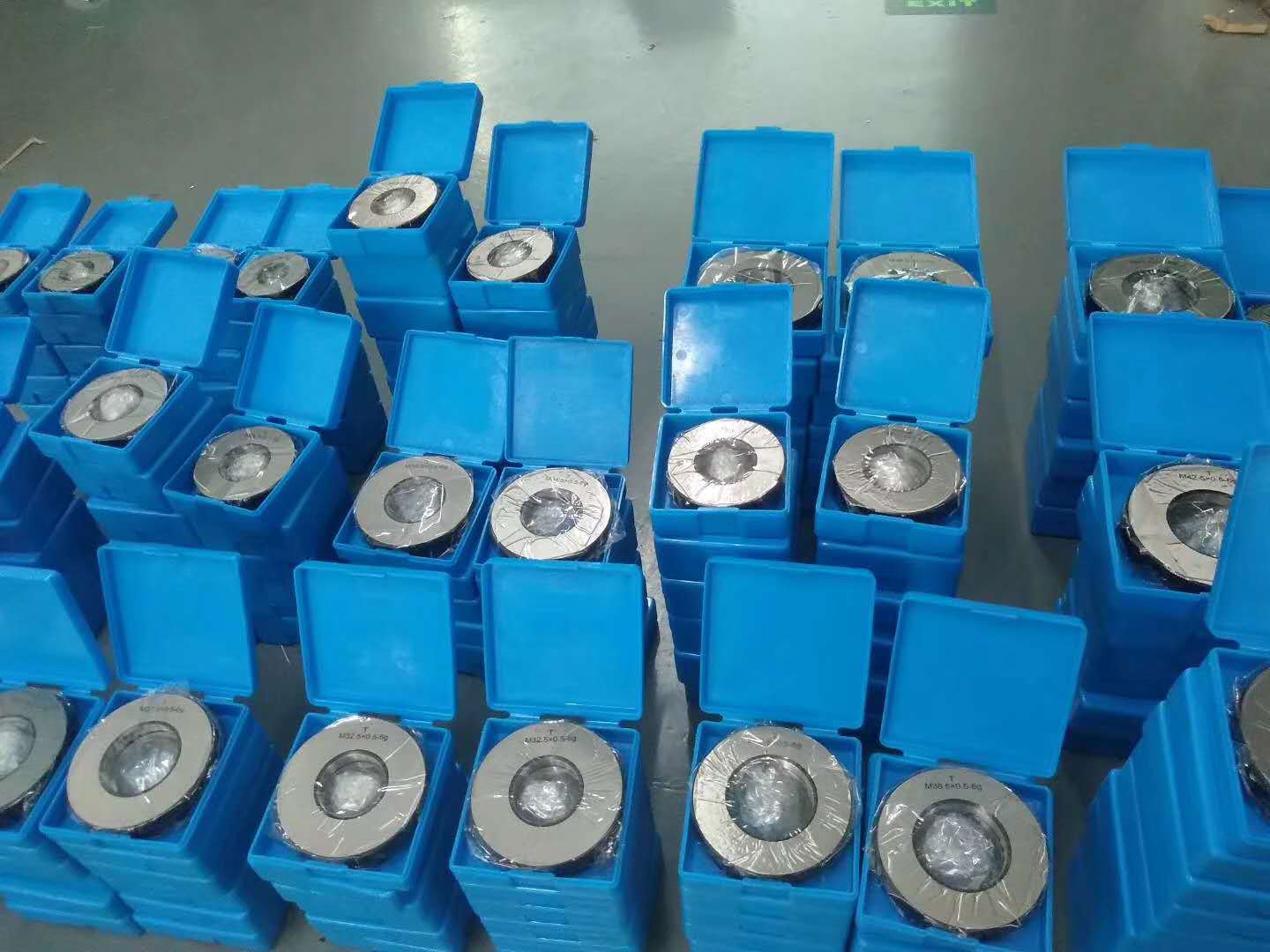
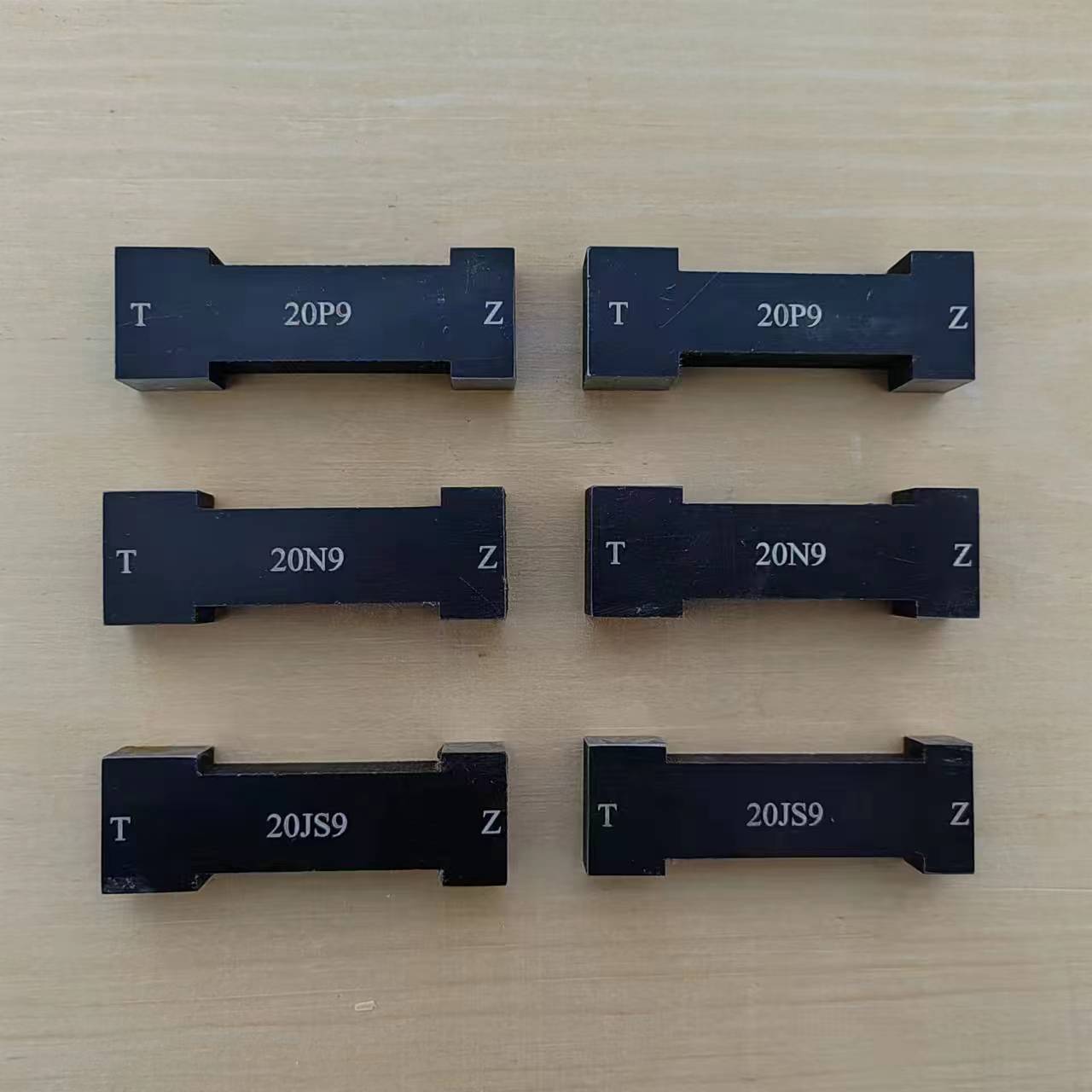
Understanding Standard Plug Gauges An Essential Tool in Precision Engineering In the world of manufacturing and engineering, precision is of utmost importance. Whether it’s in automotive production, aerospace engineering, or any form of mechanical assembly, ensuring that components fit together perfectly is vital for the safety, functionality, and quality of the final product. One of the key tools used to achieve this level of precision is the standard plug gauge. What is a Standard Plug Gauge? A standard plug gauge is a cylindrical tool used to measure the diameter of holes or the internal dimensions of parts. It serves two primary purposes to check whether a hole is within a specified size tolerance (go) or if it is out of specification (no-go). The gauge typically features two ends—one marked “go” and the other marked “no-go.” When the “go” end of the plug gauge fits snugly into the hole, it indicates that the dimension is acceptable. If the “no-go” end does not fit into the hole, it further confirms that the dimension is within the specified tolerance limits. This simplicity and effectiveness make standard plug gauges indispensable in quality control processes. Construction and Materials Standard plug gauges are usually constructed from high-quality steel, which offers durability and resistance to wear. They are often heat-treated to enhance their hardness, ensuring that they retain their shape and accuracy even after repeated use. The finishing process typically involves grinding and polishing to achieve precise dimensions and a smooth surface, which is important for reliable measurement. In some specialized applications, plug gauges may be made from different materials such as carbide or even ceramic, especially when extreme durability or heat resistance is required. These materials allow for greater longevity and maintain accuracy over a longer period, which is a critical factor in industries that demand high precision. standard plug gauge Applications of Standard Plug Gauges Standard plug gauges are widely utilized across various industries. In the automotive sector, they are used to ensure that engine components fit together correctly, which is essential for optimal performance and safety. Similarly, in the aerospace industry, plug gauges help maintain stringent tolerances required for aircraft parts, where even minute discrepancies can lead to catastrophic failures. Moreover, plug gauges are used in assembly lines to streamline the production process. By incorporating these gauges into the quality assurance phase, companies can detect defects early, reducing waste and rework costs. Additionally, plug gauges are invaluable in tool and die making, where precision is critical for the creation of molds and parts. Calibration and Standards The accuracy of standard plug gauges is paramount to their effectiveness. Regular calibration is essential to ensure that they maintain their specified dimensions and tolerances. Calibrating plug gauges typically involves comparing them against a master gauge with known dimensions. This process helps identify any discrepancies that need adjustment. Moreover, standard plug gauges must adhere to internationally recognized standards, such as those set forth by the American National Standards Institute (ANSI) and the International Organization for Standardization (ISO). Compliance with these standards not only ensures consistency in measurement but also fosters trust among manufacturers and customers alike. Conclusion In conclusion, standard plug gauges play a crucial role in precision engineering and quality control across various industries. Their simple design, combined with their effectiveness in measuring internal dimensions, makes them an invaluable tool for ensuring that components meet rigorous specifications. As technology continues to advance, the importance of precise measurements will only increase, solidifying the position of standard plug gauges as essential instruments in the manufacturing world. Ensuring their proper use and maintenance is vital for any enterprise aiming for excellence in production and assembly processes.
about
colored mirror glass sheets
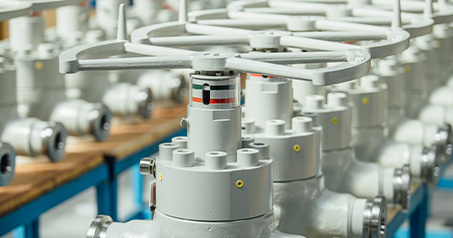
The Importance of Pressure Water Valves in Modern Systems In today’s complex infrastructure, pressure water valves play a crucial role in various applications, ranging from municipal water supply systems to industrial processes. These valves are instrumental in regulating water pressure, ensuring efficiency, safety, and reliability in fluid dynamics. In this article, we will explore the significance of pressure water valves, their functions, types, and the technology driving their advancement. Understanding Pressure Water Valves Pressure water valves are mechanical devices designed to control the flow and pressure of water within a system. They can modulate, redirect, or shut off water flow as needed, maintaining the desired pressure levels and preventing potential damages or failures in the system. Properly functioning pressure valves are vital for both residential and commercial systems, ensuring that water supply remains consistent and safe. Key Functions of Pressure Water Valves 1. Pressure Regulation One of the primary functions of pressure water valves is to maintain stable water pressure within set parameters. This regulation helps in preventing excessive pressure that can lead to pipe bursts, leaks, or system failures. 2. Flow Control These valves allow for precise control over the amount of water flowing through a system. Users can adjust the valve settings to match specific requirements, ensuring efficient use of water resources. 3. Safety Mechanism Pressure water valves serve as safety devices . In case of pressure surges, these valves can automatically close or divert the flow, preventing potential damage to the entire system. 4. Protection Against Backflow Many pressure water valves include backflow prevention features, ensuring that contaminated water does not flow back into the main supply, thus protecting public health. Types of Pressure Water Valves pressure water valve There are various types of pressure water valves, each designed for specific applications - Pressure Relief Valves These valves automatically release excess pressure from the system, ensuring it does not exceed safe levels. They are critical in industrial applications where high-pressure systems are commonplace. - Pressure Reducing Valves These devices lower the incoming water pressure to a predetermined level, making them essential for residential homes where municipal water supply pressure might be too high for safe use. - Control Valves Used extensively in automated systems, control valves adjust flow rates based on signals from pressure sensors or other control systems, ensuring that the system operates within desired parameters. Advances in Technology The field of pressure water valves has seen significant technological advancements in recent years. Smart valves equipped with sensors and IoT capabilities allow for real-time monitoring and adjustments. These innovations improve efficiency, reduce water waste, and ensure better management of resources. The integration of predictive maintenance technology is another exciting development. By utilizing data analytics, operators can anticipate issues before they occur, reducing downtime and maintenance costs. As technology continues to evolve, the role of pressure water valves in ensuring the smooth operation of water systems will become increasingly sophisticated. Conclusion In conclusion, pressure water valves are indispensable components in the management and distribution of water across various systems. Their ability to regulate pressure, control flow, and provide essential safety mechanisms underpins the efficiency and reliability of modern water infrastructure. As technology progresses, the evolution of pressure water valves will continue to enhance their functionality, ensuring that they meet the challenges of today’s ever-growing water demands. It is vital for engineers, operators, and users to understand the importance of these valves in safeguarding water systems, contributing to efficient and sustainable management of one of our most precious resources.
-

High quality industrial productsagement

High quality industrial products
View Details -

Meet the diverse needs of customers

Meet the diverse needs of customers
View Details -

Strict quality control

Strict quality control
View Details -

Top raw materials

Top raw materials
View Details -

Trusted supplier

Trusted supplier
View Details
Our application


news and information
welding tables should be made of
The Importance of Welding Tables Material Considerations Welding is an essential process in various
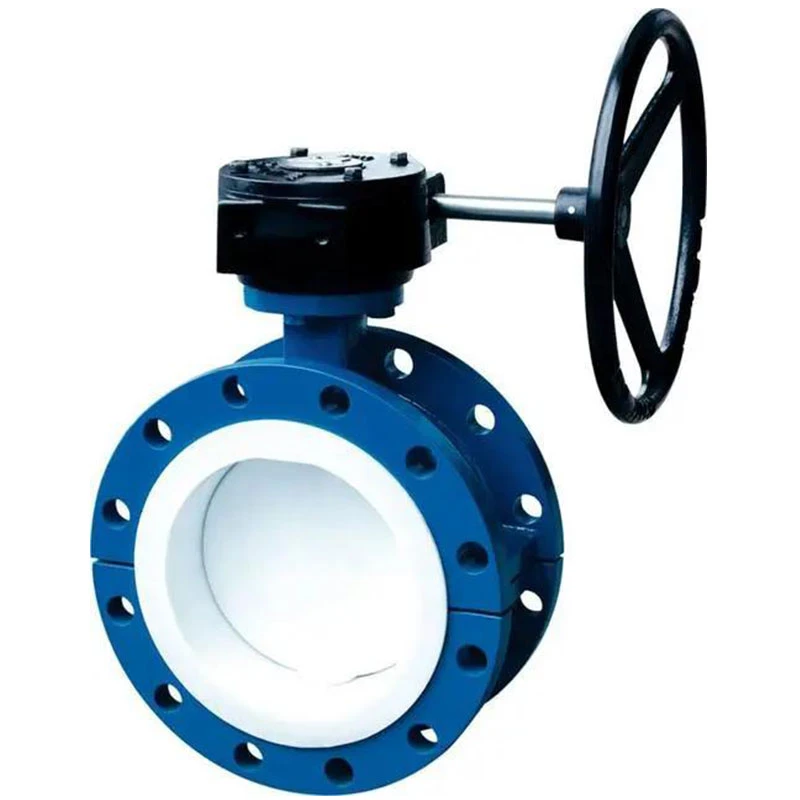
water valve gate
Understanding Water Valve Gates Their Functionality and Importance Water management is critical in v
Wooden Nail Plates for Secure and Durable Construction Solutions
The Importance of Nail Plates for Wood Construction When it comes to woodworking and construction, t
 English